
Rising grocery prices spur interest in homegrown produce
Canadians are showing growing interest in raising their own fruit and vegetables as food prices climb, according to new data from HomeStars.com.
The company said 48 per cent of Canadian shoppers have considered growing their own produce because of higher grocery costs. Interest was strongest among people aged 18 to 34, with 54 per cent saying they had thought about growing fruit or vegetables at home.
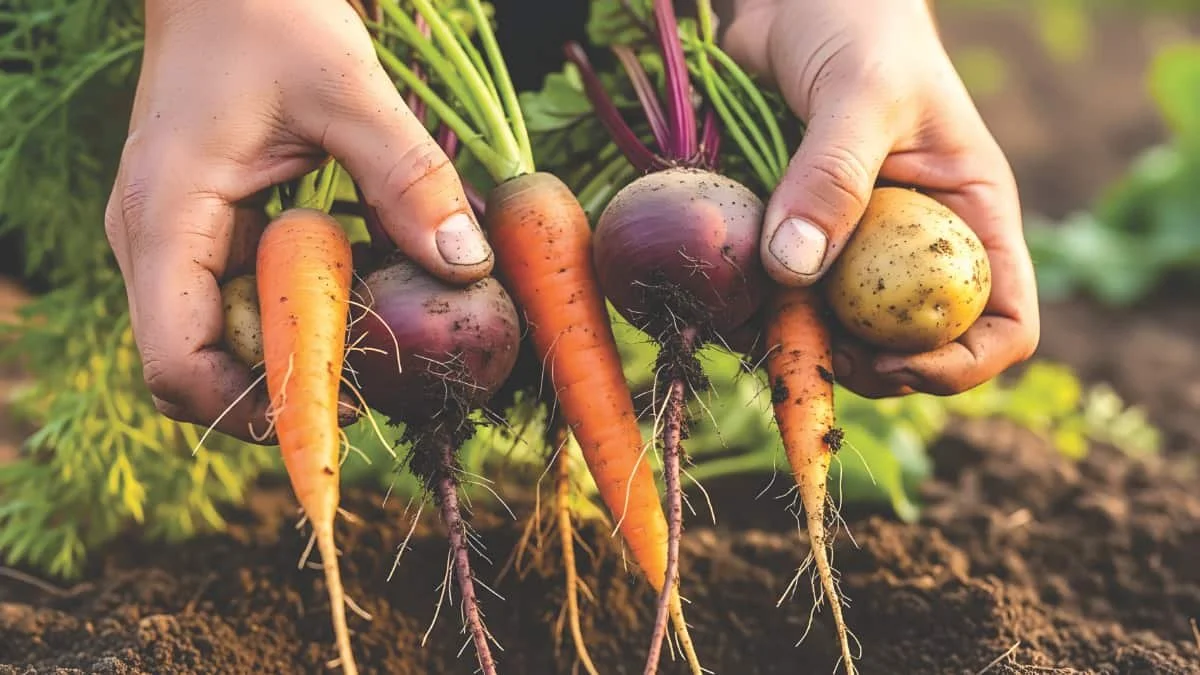
ADOBE STOCK IMAGE
HomeStars.com said the start of the growing season is the ideal time for people to begin planning gardens that could help trim food bills while providing fresher produce.
Colleen McGrory of HomeStars.com said growing food at home can be both practical and rewarding for people with even a small amount of outdoor space.
“If you have some outside space that gets direct sunlight, growing your own food to supplement the weekly grocery run can be quite feasible and rewarding,” McGrory said. “Homegrown fruit and veggies will also be much fresher and likely more tasty than store bought.”
She said gardeners should begin by identifying the sunniest area available, then researching the growing conditions and timelines for different crops.
While some fruits, such as strawberries, can produce in as little as six to 12 weeks, others, including raspberries, can take more than a year before bearing fruit. McGrory said regular pruning and fertilizing can help keep plants healthy and productive.
She also advised people hoping to save money to consider herbs and other produce that can be expensive or difficult to find in stores.
“If you’re looking to save money, herbs are a great choice and many are easy to grow,” she said. “Otherwise, choose products that are difficult to find or expensive to buy from supermarkets.”
Among the best low-cost, high-yield options for beginners, HomeStars.com highlighted herbs such as rosemary, thyme, mint, chives, parsley and basil. The company said herbs require little space and are relatively easy to maintain, although coriander is better suited to indoor pots because it attracts slugs outdoors.
Raspberries were also listed as a good long-term option, though they require patience. HomeStars.com recommends planting them in mid-spring, pruning them right away, mulching heavily to suppress weeds and growing them along a fence for support.
Garlic was identified as another practical choice because it can be replanted each year. However, growers may have to wait up to 10 months before harvest. HomeStars.com recommends planting individual cloves upright in well-drained soil as early as weather permits.
For gardeners seeking quicker returns, tumbling tomatoes, zucchinis and potatoes were singled out as reliable producers.
Tumbling tomatoes can sprout from seed in as little as five days and begin producing fruit within a few months. They can also be grown in pots, making them suitable for balconies and other small spaces.
Zucchinis should be started indoors about three to four weeks before the last frost, usually in late April, then moved outside in early summer. HomeStars.com said zucchini plants can yield three or four vegetables a week at peak production if grown in a sunny, sheltered spot with regular watering and fertile soil.
Potatoes were described as another fast-growing crop, capable of developing in as little as 12 weeks. HomeStars.com recommends planting seed potatoes in trenches at least six inches deep and using plenty of compost-rich soil.
For those starting just a couple of months before summer, strawberries and rocket were also recommended.
Strawberries can be grown indoors or outdoors in pots, hanging baskets or garden beds, and may be ready in six to 12 weeks. Rocket, a hardy salad green, was noted for its fast growth and ability to thrive in both sun and partial shade. Because it is a cut-and-come-again crop, it can provide a steady supply over time.