
Farmers urged to focus on everyday safety during Canadian Agricultural Safety Week
From livestock handling and farm machinery to rail crossings and emergency planning, safety must remain a constant priority on Canadian farms.
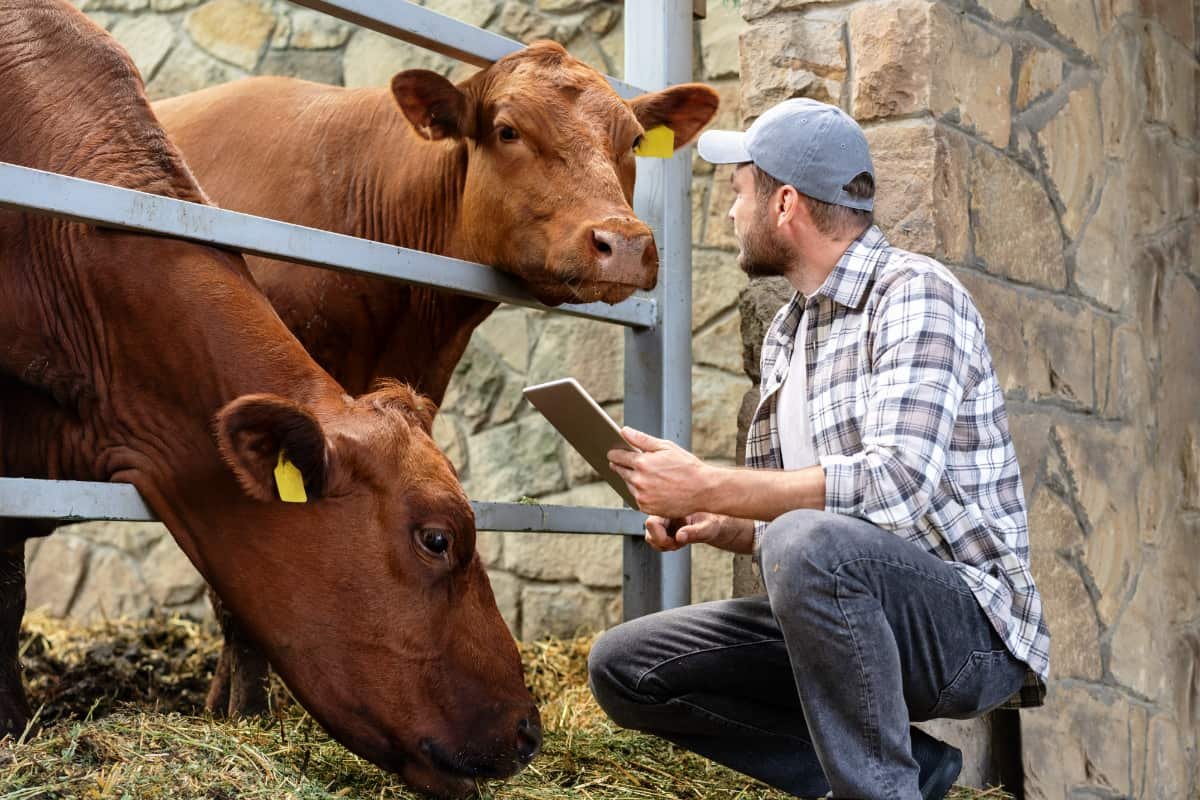
Livestock play a central role on many farms, from beef and dairy operations to pig and sheep production. But their size and unpredictable behaviour mean producers must remain cautious during handling.
ADOBE STOCK PHOTO
Reducing stress on animals can improve safety for both livestock and people. Farmers are encouraged to approach animals calmly, avoid sudden movements or loud noises, and stay aware of an animal’s “flight zone,” the personal space it maintains from potential threats. Entering that space abruptly can cause an animal to panic or react defensively.
Producers should also keep an escape route in mind when working with livestock, stay out of blind spots, avoid working alone and wear appropriate protective equipment.
Machinery remains another major source of farm injuries. Rollovers and runovers can happen in seconds and often lead to severe or fatal injuries.
Safety experts stress that many of these incidents are preventable by following basic precautions. Those include never allowing extra riders on machinery, keeping children and bystanders at a safe distance, following manufacturer towing guidelines and using rollover protection structures and seatbelts.
Farm operators are also reminded to take care around railway crossings. Although farm equipment is large, it offers little protection against trains.
Rural crossings often lack lights, bells or gates, so operators should slow down, look both directions and listen for oncoming trains. Opening cab windows and turning off radios or fans can help detect approaching trains, while winter conditions can make crossings more dangerous by muffling sound and creating slippery surfaces.
Preparing for emergencies is another key part of farm safety. Severe weather, medical incidents and other unexpected events can occur at any time.
Producers are encouraged to develop emergency response plans that identify potential risks and outline steps for different scenarios. Training workers on safety procedures, evacuation routes and emergency roles can help ensure everyone knows how to respond if a crisis occurs.
Canadian Agricultural Safety Week runs March 15 to 21 and encourages farmers, farm families and agricultural workers to make safety a year-round priority.
More information is available at agsafetyweek.ca.