
Alberta ramps up wildfire readiness with new air support
By Your Southwest Media Group
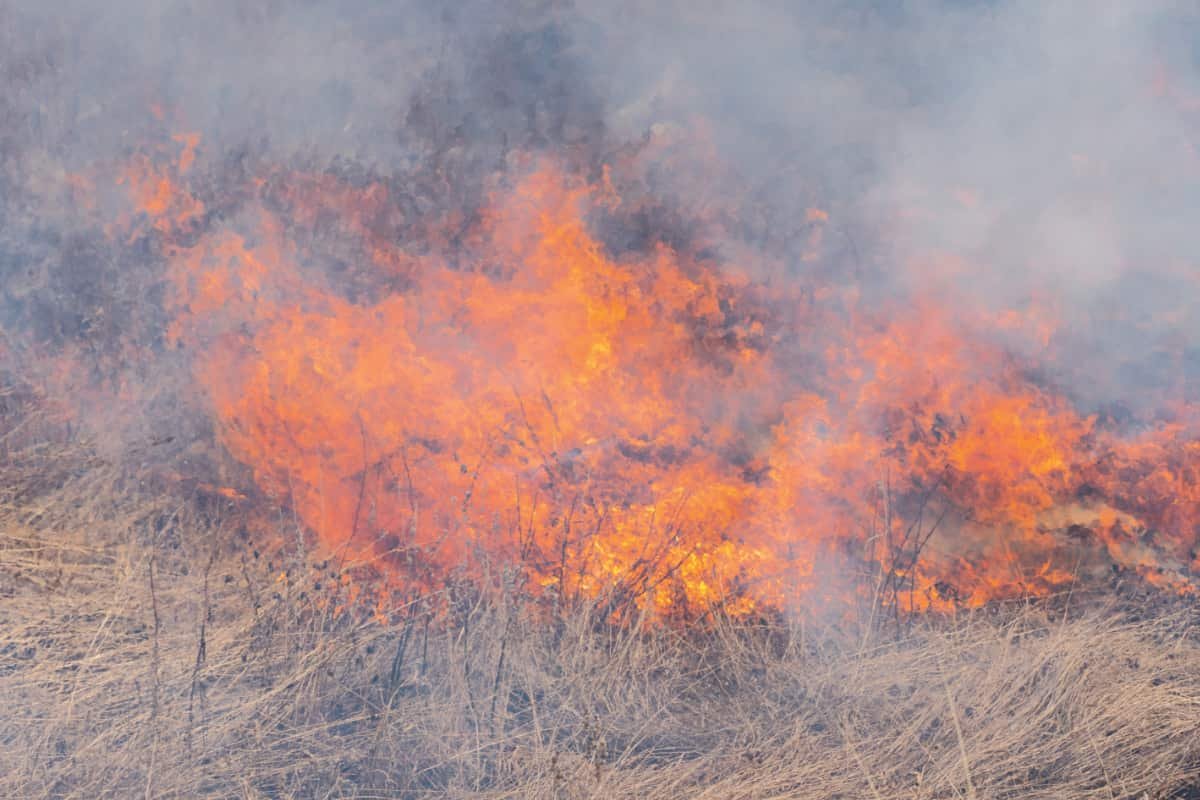
Alberta has hired more than 550 seasonal firefighters and expanded its aerial response capabilities ahead of the 2026 wildfire season, the province announced May 4.
The province also has access to hundreds of additional firefighters through contracts and mutual aid agreements, Forestry and Parks Minister Todd Loewen said.
"Protecting our communities, forests and critical infrastructure from the threats of wildfire is a top priority for Alberta's government," Loewen said. "Through partnerships, education, risk reduction and the use of new technology, we're using all available tools to create a more wildfire-resilient Alberta."
Budget 2026 provides $169 million for wildfire management. In March, the province signed a $400-million contract with De Havilland Canada for five new made-in-Alberta waterbombers.
The province has also invested in helicopters with night-vision capability for around-the-clock aerial support, along with hoist-equipped helicopters that can move firefighters into difficult terrain.
Paul Lane, vice-president and chief operating officer of Airspray Canada, said the province's aerial suppression program is built around the CL-215-T waterbomber.
"When a fire breaks out here, those aircraft are in the air fast, scooping from the nearest lake and dropping before the fire has a chance to establish itself," Lane said. "That kind of readiness is what keeps a small fire from becoming a disaster."
New this year, the province is launching the Mutual Aid Incentive Pilot, which offers municipalities up to $125,000 to support wildfire response. The program is designed to encourage communities to request provincial assistance sooner by reducing financial barriers.
Sturgeon County Mayor Alanna Hnatiw said the funding will allow her municipality to act faster when fires threaten.
"Sturgeon County sits in a landscape that demands we move fast, and this program empowers us to do exactly that while strengthening the provincial-municipal partnership that protects Alberta," Hnatiw said.
The province is also continuing its expanded Wildland Urban Interface teams, made up of specially trained municipal firefighters who defend communities and critical infrastructure. Alberta invested almost $7 million in 2025 to create six new teams.
Municipal Affairs Minister Dan Williams said local fire services remain central to the province's wildfire defence.
"Strong local fire services are the backbone of our wildfire defence, and we're making sure they have the tools and skills to protect the people they serve," Williams said.
Interest in seasonal firefighting work has climbed sharply. About 1,200 Albertans applied for positions this year, up from nearly 800 in 2025.
Infrastructure Minister Martin Long, who represents West Yellowhead, said the province has applied lessons from past wildfire seasons.
"Our government has taken lessons from previous events to strengthen mitigation, preparedness and response," Long said. "As another season begins, we are ready and focused on supporting at-risk communities across the province."