
Viva Vitality: Sport Safety
By Andrea Klassen
As the weather warms up, recreational sports for children and youth are getting into full swing. Equipment safety is equally as important as proper training when it comes to playing all the fun sports that spring and summer months bring.
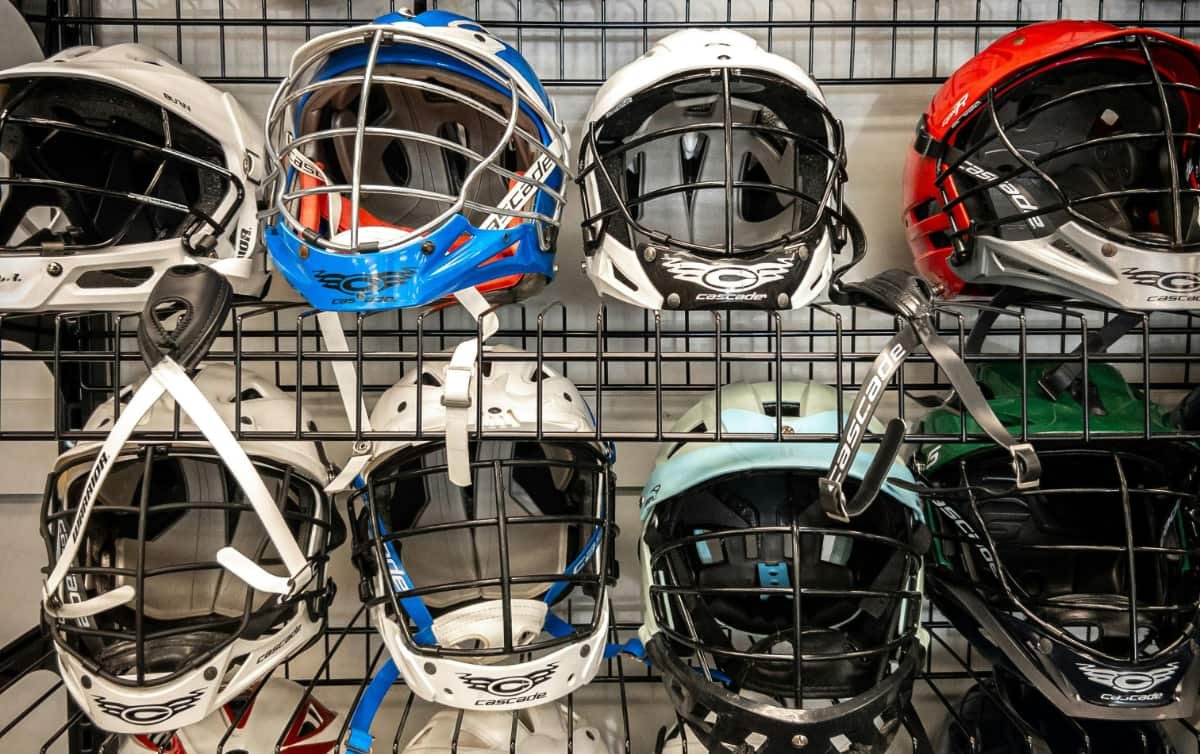
To minimize the risk of sports and recreation-related injuries, here are a few things to keep in mind:
Wear safety gear that is appropriate for the sport
Warm up. This helps prepare your body for physical activity
Cool down. This helps the body recover
Always make sure to pace yourself
Get trained by qualified coaching staff
Check your environment and the weather before heading out to play
Take care of injuries. Don’t return to activity until after your injury has fully healed. This includes concussions
Drink lots of fluids (such as water) before, during and after your activity.
Many sports have a variety of safety equipment required to participate. Using the correct equipment for each sport is key to preventing injury. Here are a few examples.
Baseball
Wear a proper baseball helmet when batting, base running, catching and umpiring. In hardball, face shields should be worn when batting to protect the face, eyes, head and neck. Baseball cleats also help increase traction and prevent injuries when running.
Soccer
Shin guards should be worn at all times and should have sufficient shock-absorption capacity and cover a large area of the lower leg. Mouth guards protect from injuries to the mouth and teeth. Molded cleats should also be worn to increase traction when playing on the field.
Football
Ensure a properly fitted football helmet is worn at all times. Shoulder and neck padding, gloves, thigh and knee pads, cleats and mouth guards should also be worn to prevent serious injury while playing and tackling.
Cycling
Wear a proper bicycle helmet and make sure that it fits properly to reduce the risk of serious head injury. Follow the 2-V-1 rule when fitting and checking your helmet. This means there should be 2 fingers above your eyebrow, straps should form a “V” under your ears and there should be one finger space between the strap and the chin. Also ensure that you are wearing bright, reflective clothing. Your bike should have a flashing light, reflectors and a bell to ensure you are seen and heard.
In-line skating
Wearing protective gear at all times will help ensure that you stay safe while skating around town or playing hockey. Helmets, wrist guards, elbow pads and knee pads should be worn and fit properly. Ensure the skates are a proper fit for your child’s size and ability.
Following these tips will help ensure your child has a fun, injury-free sports season this spring and summer.
Andrea Klassen is a health promotion facilitator with Primary Care Alberta.