
Check It Out: Those who can't learn from history are doomed to repeat it
By Joan Janzen
Winston Churchill once said, "Those who cannot learn from history are doomed to repeat it." He experienced what we are now witnessing in our own country.
Roman Baber, Member of Parliament representing the riding of York Centre in Ontario, said in an online interview, "I represent one of the largest Jewish populations in the country. A Jewish school in my riding has been shot at three times. Luckily it happened when it was empty. Who would ever have thought that was possible in our country?"
Could it be because generations have forgotten history? The lives and heroic actions of people like Lena Kuchler-Silberman are worth remembering.
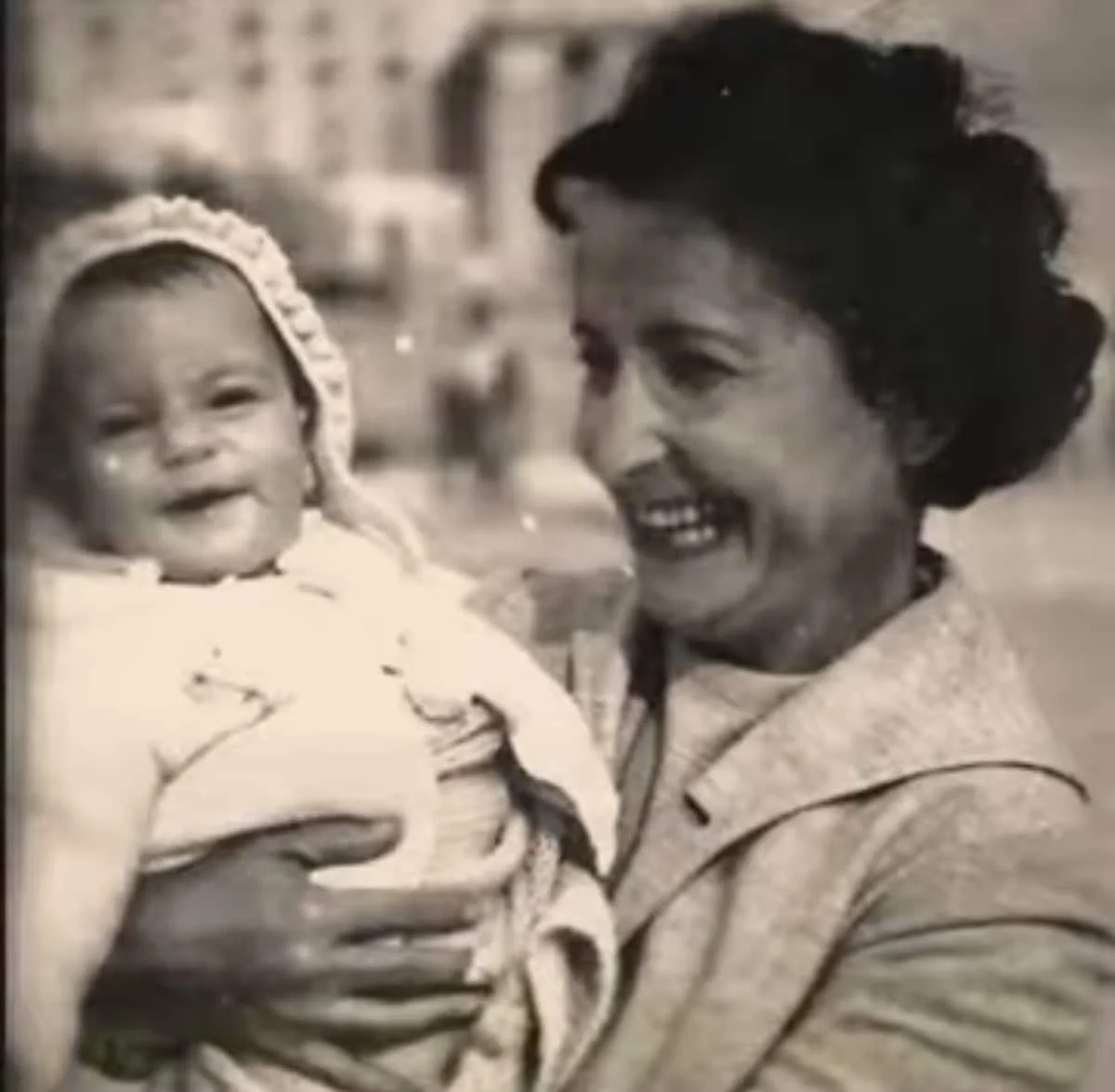
During the Second World War, Lena used false papers to pass as a Catholic but was later arrested by the Gestapo for being Jewish. She managed to escape by jumping off a train. That one jump not only saved her life, but it changed the lives of 100 children. Unfortunately, her own baby daughter had died of malnutrition.
When the war ended, this trained psychologist agreed to help rehabilitate child survivors of the Holocaust camps, and she saw her daughter in every one of those children.
In 1945, she headed to the mountains in Poland, where she set up a home. It had been a beautiful resort villa that had been ruined by the Germans. After it was cleaned up, the home was always full of children, and those with tuberculosis were able to heal. Each child had experienced severe trauma.
"I had a little girl who sat two and a half years in a wardrobe. The 3-year-old girl was unable to walk or talk when she came out of that closet, and was completely emaciated, covered with lice. She had been two days without food," Lena explained in an interview she gave a few years after the war ended.
"I had children who sat in hiding places for a year or two with their legs doubled up, so that when they eventually left the hiding places they had complete atrophy of the leg muscles and were unable to walk."
The children didn't know what meat was because they had never eaten any in their lives. They didn't know what candy was and had never tasted anything sweet. They had only been fed potatoes and black coffee. Many had never been on the street and had no clothes. Others were survivors of the Holocaust camps.
She found children hiding in the streets and forests, all alone in the world, in May 1945. They were starved, sickly, covered with lice and neglected in every way. Some Polish orphanages couldn't feed the children, so they first of all tried to get rid of the Jewish children and brought them to the home.
Many of the children were withdrawn and fearful, and some of the older children were filled with rage. Lena loved each one back to life until they could begin to trust again. After several months of loving care, the children began to smile and laugh once more.
"I wanted to work with my entire soul, so there was no time for brooding and memories, to forget all that I lost and all that I had lived through," she explained.
The staff consisted of Jewish survivors of the concentration camps who had lost everyone they loved.
"I told them we should become true mothers to these children, that we should not work for profit, and truly consecrate ourselves to these children. Our home was not a children's home; it was one big family," Lena said. "I did not have a family of my own. My entire family were those children."
Lena and her staff worked from morning till night. It was very stressful.
"We had absolutely no financial means," Lena said in the interview.
She was constantly travelling to Warsaw, calling on people and leaders and begging for money to take care of the children. Every week she was faced with the threat of closing the home and leaving the children out on the street.
"I did not have any idea how we would live through each week," she said.
Some parents had survived the camps and came looking for their children. A 10-year-old girl had not seen her dad since she was four years old and didn't recognize him because he was skin and bones when he came looking for her.
Although the war was over, hatred for the Jews had survived in the Polish village.
"I could not send the children to Polish schools because they were so persecuted and insulted," she remembered.
If they went out on the street, children would throw rocks at their heads or threaten them with knives.
After eight months, Lena evacuated the orphanage and smuggled the children from Poland to France using false passports. The journey took three weeks and was very difficult because they crossed the Polish border illegally. They remained in France until they departed for Israel. In 1949, Lena and her children safely arrived in Israel.
Lena died in 1987 at the age of 85. She would be heartbroken to hear MP Baber recount history being repeated here in Canada.
"I have constituents that are afraid to put up a mezuzah (small parchment scroll with Hebrew verses) on their door. Folks are worried about wearing a kippah (skull cap). Folks are worried about their kids going to school. They no longer feel safe in this country they love so much," MP Baber stated.
"I am very saddened to hear members of the Jewish community with obviously Jewish last names having difficulty being admitted to medical school in Canada these days because of overrepresentation of the Jewish community in the medical community. Same with law school. A kid can go out of their way to get really good grades and then be denied because of their faith or race," he continued.
He described it as damaging to our social fabric and said Jewish Canadians are now facing a reality that, regretfully, is shared by many Jews around the world.
"Those who cannot learn from history are doomed to repeat it" aren't just words to be read on a page. They are instructions to be followed to avoid making the same mistakes over and over and over again.